Author: admin

Laser Hair Removal At Elara Clinics: “A Hair Free, Care Free Experience”

In recent years, laser hair removal has emerged as a popular and effective long-term solution to this age-old problem. 

Unwanted body hair has been a concern for both men and women for centuries. Everyone wants to have a “Hair Free, Care Free“ experience in life. People have tried to attain this experience by trying out various traditional methods like shaving, waxing, and plucking to more modern approaches like depilatory creams, people have always sought ways to achieve smooth and hair-free skin. However, these methods often have drawbacks, such as temporary results, skin irritation, and potential ingrown hairs. Here at Elara, we try to provide our valued clients the best possible experience for a Hair Free, Care Free laser hair removal process. 

This article explores the ins and outs of laser hair removal at Elara, its benefits, and why it has become a preferred choice for many seeking a smoother, hair-free appearance.

What is Laser Hair Removal?

Laser hair removal is a non-invasive medical procedure that uses focused laser beams to target and remove unwanted hair from various areas of the body. The process involves exposing the hair follicles to the intense heat generated by the laser, which damages the follicles and inhibits future hair growth. It is essential to note that laser hair removal is a cosmetic procedure and should only be performed by trained professionals or licensed practitioners.

How Does Laser Hair Removal Work?

A handheld device is used during a laser hair removal session to emit a laser beam, which is absorbed by the pigment (melanin) in the hair follicles. This conversion of laser energy into heat damages the hair follicles while leaving the surrounding skin unharmed. As a result, hair growth slows or stops completely over time. Also at Elara, we perform the procedure with the help of state-of-the-art advanced machinery, namely “primelase HR” (primelase HR is the medical diode laser platform for hair removal developed by Cocoon Medical). Thanks to its ultra-high power (4800 W) and four wavelengths (755nm, 810nm, 940 nm, and 1060nm), it enables the most effective, fast, and safe hair removal of all kinds of hair in all phototypes, which provides prime results with the highest degree of safety. This process provides an effective, safe, and comfortable experience with laser hair removal. 

It is crucial to note that the difference between the color of the skin and the color of the hair influences the efficiency of laser hair removal. Laser hair removal is most effective for those with fair complexions and dark hair because the laser can readily target the dark melanin in the hair follicles. However, advances in laser technology have enabled people with darker skin tones and lighter hair to be treated as well.

Benefits of Laser Hair Removal

Long-term Hair Reduction: One of the primary benefits of laser hair removal is that it offers long-lasting results. While it may not be the sole solution, it can significantly reduce hair growth, which can last for years.

Precision and Speed: Laser hair removal can target multiple hair follicles simultaneously, making it a relatively quick procedure. Small areas like the upper lip or underarms can be treated in a matter of minutes, while larger areas like the legs or back may take longer but are still more efficient than traditional hair removal methods.

No Ingrown Hairs: Unlike shaving or waxing, which can cause ingrown hairs and skin irritation, laser hair removal reduces the risk of these issues. It helps to maintain smoother and more even skin.

Versatility: Laser hair removal can be used on various body parts, including the face, legs, arms, underarms, bikini lines, and more.

Improved Confidence and Convenience: With reduced hair growth, individuals often experience increased self-confidence as they no longer need to worry about daily or weekly hair removal routines.

Less Painful than Waxing: Many people find laser hair removal to be less painful than traditional waxing methods.

Cost-Effective in the Long Run: Though the upfront cost of laser hair removal may be higher than other methods, its long-term reduction in hair growth means that individuals may save money in the long run by avoiding frequent salon visits or purchasing hair removal products.

Effectiveness and Safety

Laser hair removal is generally safe when performed by trained professionals using appropriate equipment. However, like any medical procedure, there are potential risks and side effects. Temporary side effects may include redness, mild swelling, and slight discomfort, which usually subside within a few hours or days after treatment.

To ensure the best results and minimize the risk of complications, individuals considering laser hair removal should:

Choose a Reputable Provider: Always opt for a licensed and experienced professional like Elara Clinics, which has an arsenal of staff that have undergone proper training in laser hair removal.

Understand the Procedure: Prior to the treatment, individuals should have a thorough consultation with the practitioner to understand the process, expected outcomes, and any potential risks.

Be Patient and Consistent. Laser hair removal requires multiple sessions to achieve the best results. Hair growth occurs in cycles, and the laser can only effectively target hair in the active growth phase. Therefore, several sessions, typically spaced a few weeks apart, are necessary for optimal outcomes.

Laser hair removal has revolutionized the way people tackle unwanted hair growth, offering long-term results, minimal side effects, and improved convenience. It provides a safe and effective solution for individuals seeking to remove or reduce hair growth from various parts of the body. While it may not guarantee permanent hair removal, the benefits of laser hair removal make it a popular choice for those looking to achieve smoother and more confident skin. Before opting for this treatment, we here at Elara provide our clients with crucial consultations with qualified professionals to determine if laser hair removal is suitable for their skin type and hair color and to ensure a safe and successful experience.

Frequently Asked Questions

  1. Is there any special preparation required before treatment? Can I have treatment at the time of consultation?

Yes. If you are a candidate, the doctor may be able to perform the procedure at the time of the consultation. If the procedure cannot be performed at the time of consultation, you can schedule one very soon after.

  1. How long does the treatment take?

Each treatment may take up to an hour, depending on the size of the area being treated. Smaller areas like the upper lip, ears, and chin can be treated in less than a minute, while large areas like the back or legs can take up to an hour or more.

  1. Does it hurt?

Most people just describe it as a little uncomfortable feeling comparable to the mild stinging or flicking of a rubber band. It is certainly more comfortable than waxing or epilating.

  1. How many sessions are required? What is the treatment schedule?

There’s no set rule on how many sessions you’ll need or when you’ll need them. Generally, people have six to eight laser hair removal treatments staggered every four to eight weeks to see results, plus an annual maintenance session.

  1. What are the side effects of the procedure? Is it safe?

Laser hair removal is safe, with the caveat that you shouldn’t let just anyone perform laser hair removal. There are real risks when this treatment is done by an untrained or nonmedical technician or administered using unapproved laser machines.

The most common side effects are minor and last 1–3 days. These side effects include:

Discomfort

Swelling

Redness

Other possible side effects are rare when laser hair removal is performed by a dermatologist or under the dermatologist’s direct supervision. Other possible side effects include:

Blistering

Herpes simplex (cold sores) outbreaks

Infections

Scarring

Skin lightening or darkening

In time, skin color tends to return to normal. Some changes to skin color, however, are permanent. This is why seeing a medical doctor who is skilled in laser treatments and has in-depth knowledge of the skin is so important. It is also important to follow your dermatologist’s instructions. Following both the before-treatment instructions and the after-treatment instructions will greatly reduce your risk of side effects.

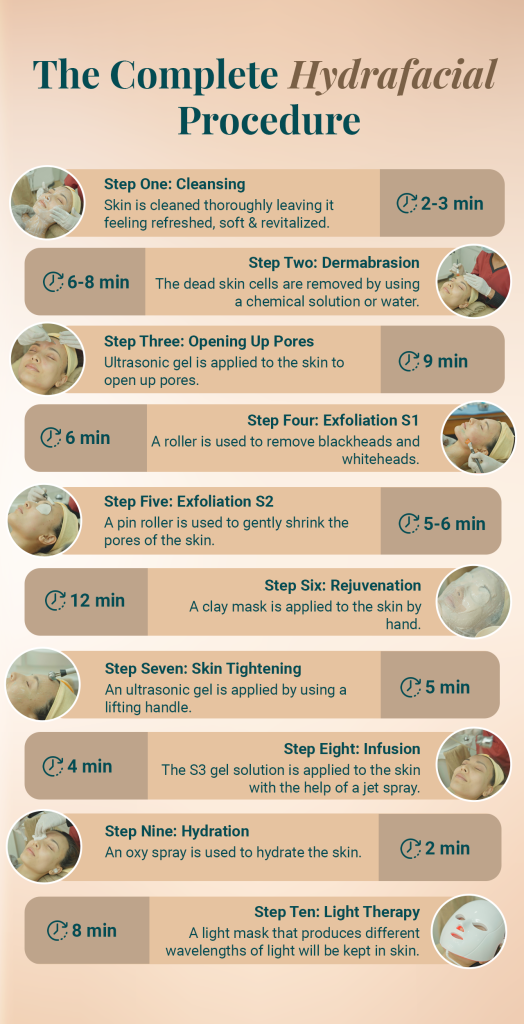
The Complete Hydrafacial

Many people desire to have beautiful and radiant skin. To achieve this, people follow extensive beauty routines, buy skincare products, and seek various dermatological and cosmetic treatments. In Nepal, where the environment can be harsh on the skin due to pollution and other factors, hydrafacials have become a popular and effective option. While this treatment is already well-known in Western countries, its benefits are being recognized in Nepal, where it is considered superior to a regular facial.

Elara is your go-to skincare clinic for “The Complete Hydrafacial” session. At Elara, we provide you with a thorough stepwise procedure for a hydrafacial session with state-of-the-art high-performing machines consisting of an equal number of handles. 

What separates Elara from other parlor-based hydrafacial procedures is that we don’t use basic machines and parlor-based products like the majority of clinics and parlors do. Our “Complete Hydrafacial” procedure follows a comprehensive 10-step method catering to cleansing, hydrating, and exfoliating your skin. The process takes anywhere from 60-75 minutes, as it follows a strict and thorough procedure that you hardly get from any other clinics and parlors. And also, Elara only uses certified and highly acclaimed imported products from the Cellmula company to provide you with the feeling of “The Complete Hydrafacial” experience. (Cellmula is a dermatological skincare brand based on high-quality ingredients and modern scientific research.)

Here at Elara, the procedure for a complete hydrafacial experience consists of a series of 10  steps for providing the best possible hydrafacial experience. It is a very extensive process to perform a hydrafacial with proper machinery and skin care products. 

What really is a Hydrafacial?

HydraFacial is a multi-step non-invasive facial treatment that cleanses, extracts, exfoliates, hydrates, and protects the skin. This facial has grown in popularity due to its ability to offer immediate results with no downtime or discomfort. It is appropriate for all skin types and may treat a variety of skin issues such as fine lines, wrinkles, dullness, uneven texture, and acne. It’s perfect for all ages, complexions, and skin problems.

Step One: Cleansing

The first step in a proper and complete hydrafacial procedure is cleansing. Our skin cells are constantly dying and being replenished. They eventually shed on their own, but cleansing speeds up the process, leaving your skin feeling refreshed, soft, and revitalized. At Elara, you get to experience a proper, soothing hand massage during this process, which helps your skin breathe and soften up for the next step. It generally takes about 2-3 minutes for this procedure to complete.

Step Two: Dermabrasion

During this step, the aesthetician removes the superficial layer of skin, i.e., the dead skin cells, by using a chemical solution or water. The dead skin cells are then scrubbed away to reveal a smooth, revitalized layer of skin. The process can take anywhere from 6 to 8 minutes. 

Step Three: Opening Up Pores

In this step, the aesthetician applies ultrasonic gel to the skin to open up pores. This process helps in opening up the deep pores and easily loosening the debris inside the pores for removal in the next process. The process takes up to 9 minutes to complete.

Step Four: Exfoliation S1

For this step, the aesthetician uses a roller to remove blackheads and whiteheads. By removing these impurities from the skin, it helps to lighten your skin tone. This is because dead cells do not reflect light properly, causing your skin to seem dull. After all of the dead cells have been sloughed off, the healthy cells help your skin look bright and clean. This process takes up to 6 minutes.

Step Five: Exfoliation S2

In this step, the aesthetician, with the help of a pin roller, gently shrinks the pores of the skin without irritating the acne or oil glands, which helps to effectively moisturize and calm the skin. This process can take anywhere from 5 to 6 minutes. 

Step Six: Rejuvenation

During this step, the aesthetician at Elara applies a clay mask to the skin by hand, which then absorbs inorganic minerals from the skin. This procedure helps to hydrate and nourish the skin, leaving it soft and supple. This step takes about 12 minutes to complete.

Step Seven: Skin Tightening

Then comes the step where the aesthetician applies an ultrasonic gel by using a lifting handle. This process improves blood flow and increases lymphatic drainage, which, in the long run, removes fine lines and makes the skin look supple and young. The step takes about 5 minutes to complete.

Step Eight: Infusion

The eight-step S3 gel solution is applied to the skin with the help of a jet spray, which moisturizes and nourishes the skin, improves skin immunity, inhibits melanin, supplies vitamin C nutrients, and restores damaged cells. This step takes about 4 minutes to complete.

Step Nine: Hydration

The ninth step of the procedure is hydration, where an oxy spray is used to hydrate the skin. During this process, the purified water is converted into hydrogen water, which amplifies the hydration effect. This process takes about 2 minutes to complete.

Step Ten: Light Therapy

During an LED light treatment session, a light mask that produces different wavelengths of light will be put over your skin. Light exposure promotes collagen formation, increases cell turnover, and decreases inflammation. When these two treatments are combined, the result is a potent face treatment that can help with everything from acne to wrinkles. This step takes about 8 minutes to complete.

HydraFacial is a flexible treatment that may be tailored to address specific skin issues and goals. If you have acne-prone skin, for example, the esthetician uses a different serum containing salicylic acid to help minimize outbreaks. The esthetician also uses a serum with additional hyaluronic acid to give you more hydration if you have dry skin, but it is by default included in the package itself. 

In addition to the standard HydraFacial treatment, as mentioned in the steps above, Elara provides LED light therapy that can be added to the treatment to stimulate collagen production and reduce inflammation. A lymphatic drainage massage can also be added to help reduce puffiness and improve circulation. With such versatility provided in the treatment here at Elara, you will be able to get a proper and complete hydrafacial experience like no other.

Overall, HydraFacial is an excellent option for anyone who wants to achieve glowing, healthy-looking skin without any downtime or discomfort. It is a safe and effective treatment that can be tailored to meet individual needs and goals.

Benefits of Facials and Regular Skin Treatments

Who wants something other than healthy, glowing skin they can be proud of? Indeed, anyone would do whatever it takes to achieve that soft and milky skin feeling while gliding one’s finger over one’s face. It’s needless to say to achieve such skin, one must also follow a proper skin care treatment routine. The benefits of maintaining a regular skin treatment and facial are more than what one can expect.  

The article stresses the benefits of facials for deep washing and exfoliation, which successfully remove dead skin cells, debris, and pollutants. Facials create a clearer complexion by unclogging pores and reducing acne outbreaks. Furthermore, the increased blood circulation caused by facial massages offers critical oxygen and nutrients to the skin cells, improving their health and beauty.

Benefits of Facials and Regular Skin Treatments:

  1. Less Acne Scarring: Facials include deep washing and exfoliating of the skin, which aids in the removal of dead skin cells, debris, and pollutants. This method can help unclog pores, reduce acne outbreaks, and produce a smoother complexion. Regular skin treatments and facials offer a multifaceted approach to acne scarring reduction. These treatments can dramatically improve the look of acne scars over time through exfoliating, collagen stimulation, targeted therapies for hyperpigmentation, expert extraction procedures, and tailored approaches. 
  1. Improved Circulation: Massage and manipulation methods used during a facial assist in promoting blood circulation in the face. This enhanced blood flow transports oxygen and nutrients to the skin cells, resulting in a healthy and glowing appearance.
  1. Hydration and Moisturization: Hydrating masks, serums, and moisturizers customized to your skin type are frequently used during facials. These products aid in the replenishment of moisture, the restoration of the skin’s natural barrier, and the improvement of hydration levels, resulting in a plumper and more supple complexion.
  1. Anti-Aging Effects: Many facials include anti-aging substances like antioxidants and collagen boosters. These can help minimize the appearance of fine lines, wrinkles, and age spots, resulting in a more youthful appearance.
  1. Stress Relief and Relaxation: Facials provide a pleasant and pampering experience that allows you to unwind and de-stress. The treatment’s mild massage techniques can induce relaxation, ease stress, and enhance general well-being.
  1. Customized Skincare Solutions: Aestheticians or dermatologists can examine your skin type, issues, and goals and adapt the facial treatment to your specific needs. They can treat particular concerns like acne, hyperpigmentation, or sensitivity by giving individualized remedies and skincare guidance.
  1. Acne Prevention and Control: Deep cleaning facials and chemical peels, for example, can help control sebum production, unclog pores, and minimize acne outbreaks. Acne-prone skin can benefit from proper treatments and products recommended by aesthetic specialists.
  1. Increased Product Efficacy: Regular facials can enhance the absorption and efficacy of home skincare products. The active chemicals in serums, moisturizers, and masks can permeate deeper into the skin, improving their effects, by eliminating dead skin cells and unclogging pores.
  1. Skin Rejuvenation: Some facials use sophisticated procedures to promote skin renewal, such as microdermabrasion, dermaplaning, or light therapy. By increasing collagen formation and boosting cellular regeneration, these treatments can enhance skin texture, tone, and overall look.
  1. Early Detection of Skin Issues: Aestheticians or dermatologists can detect early indicators of skin disorders such as UV damage, rosacea, or skin cancer during a facial. Early detection of these problems can lead to faster treatment and better outcomes.
  1. Relaxation and Mental Well-Being: Taking time for self-care and indulging in a facial may give a much-needed reprieve from the stresses of daily life. The treatment’s tranquil ambiance, soothing smells, and a gentle touch can encourage relaxation, increase mood, and improve general mental well-being.

It’s important to note that the specific benefits of facials and skin treatments may vary depending on the type of treatment, your skin type, and individual factors. Consulting with a qualified aesthetician or dermatologist can help you determine the most suitable skin treatments for you.

Sun Protection: How to Keep Your Skin Safe from Sun Damage?

Sun damage is a serious concern for anyone who spends time outside. Prolonged exposure to the sun’s ultraviolet (UV) radiation can lead to a variety of skin problems, including premature aging, wrinkles, sunburn, and even skin cancer. However, with the right precautions and protection, you can keep your skin safe from sun damage. In this article, we’ll explore some effective strategies for keeping your skin healthy and protected from the sun.

Apply Sunscreen Regularly

One of the best ways to protect your skin from sun damage is to apply sunscreen regularly. Look for a broad-spectrum sunscreen with an SPF (Sun Protection Factor) of at least 30. Apply it generously to all exposed skin at least 30 minutes before going outside, and reapply it every two hours or after swimming or sweating. Sunscreen is an essential component of any sun protection routine, and it’s an easy and effective way to keep your skin safe. When applied proportionately and regularly, sunscreen helps to prevent premature aging, which is one of the main outcomes of having your skin damaged by the sun. No matter the weather conditions, it never hurts to apply sunscreen, even on a cloudy day.

Cover Up

Another effective way to protect your skin from the sun is to cover it up. Wear protective clothing that covers your arms, legs, and other exposed areas. Choose lightweight, breathable fabrics that won’t make you feel too hot. Consider wearing a wide-brimmed hat to shade your face, neck, and ears. Sunglasses can also help protect your eyes from UV radiation.

Seek Shade

When spending time outside, seek shade whenever possible. Stay under a tree, an umbrella, or a canopy to avoid direct exposure to the sun’s rays. If you’re at the beach or pool, consider renting a cabana or setting up a beach umbrella to stay cool and protected.

Avoid Peak Sun Hours

The sun’s rays are most intense between 10 a.m. and 4 p.m. Avoid spending too much time outside during these peak hours. If you must be outside during this time, take extra precautions to protect your skin, such as wearing protective clothing, seeking shade, and applying sunscreen regularly.

Stay Hydrated

Staying hydrated is essential for keeping your skin healthy and protected from the sun. Drink plenty of water and other fluids to prevent dehydration, which can make your skin more susceptible to sun damage. Avoid alcoholic and sugary drinks, as they can dehydrate you even further.

Be Mindful of Reflections

Reflections from water, sand, and other surfaces can intensify the sun’s rays and increase your risk of sunburn and other skin damage. Be mindful of these reflections and take extra precautions to protect your skin when you’re near reflective surfaces. Wear sunglasses to protect your eyes, and consider applying sunscreen more frequently.

Use Skin Care Products with SPF

In addition to using sunscreen, consider using skin care products that contain SPF. Moisturizers, lip balms, and even makeup can contain SPF, providing an extra layer of protection for your skin. Look for products with an SPF of at least 30, and apply them regularly throughout the day.

Eat Foods That Provide Sun Protection

There are numerous benefits to eating a healthy diet, including improved skin health. A diet high in vitamins and omega-3 fatty acids can help maintain good skin. Antioxidants can be found in a variety of meals. These minerals can aid in the prevention of cellular harm.

Antioxidants include the following:

  • Citrus fruits and vegetables such as oranges and grapefruits, as well as red peppers, broccoli, and tomatoes, are high in vitamin C.
  • Wheat germ oil, almonds, and sunflower seeds are all high in vitamin E.
  • Carotenoids can help maintain the health of your epidermis and eyes. Carotenoids can be found in bell peppers, melons, mangoes, and sweet potatoes.
  • Chicken breast, fish, brown rice, and almonds are all high in niacin.
  • Beef, liver, greens, and Brussels sprouts are all high in folate.

Check Your Skin Regularly

Even with all these precautions, it’s still possible to experience sun damage. That’s why it’s important to check your skin regularly for any signs of skin cancer or other problems. Look for new or changing moles, freckles, or other marks on your skin. If you notice anything unusual, consult a dermatologist as soon as possible.

In conclusion, protecting your skin from sun damage is essential for maintaining healthy, youthful-looking skin and avoiding serious skin problems. By following these strategies, you can enjoy the sun safely and protect your skin from harmful UV radiation. Remember to be diligent and consistent with your sun protection routine, and don’t hesitate to seek medical attention if you notice any signs of skin damage.

Understanding Different Skin Types And Their Needs

Understanding your skin type is critical when it comes to skincare. Every person has a distinct skin type, which determines their skincare regimen, product selection, and overall skin health. You may adjust your skincare program to obtain the best results by recognizing your skin type and knowing its individual demands. In this post, we’ll look at the five most prevalent skin types, their features, and the care they require.

Normal Skin:

Normal skin is seen as the ideal skin type, with a balanced moisture content and a bright complexion. Individuals with normal skin often have tiny pores, an even skin texture, and few flaws. While this skin type requires less upkeep, it still benefits from a regular skincare program that emphasizes protection and nutrition. Cleaning, moisturizing, and applying sunscreen are essential actions for preserving normal skin health and vitality. 

For normal skin, one can try these steps to take care of it.

  • Cleanse your face twice a day with a mild cleanser to remove impurities.
  • Use a moisturizer to keep your skin hydrated.
  • Protect your skin from the sun by applying sunscreen with SPF 30 or higher.
  • Exfoliate once or twice a week to remove dead skin cells.
  • One can also opt for a proper hydrafacial procedure for maintaining healthy normal skin.

Dry Skin:

Dry skin is frequently distinguished by a lack of moisture and a lackluster look. Tightness, flakiness, and occasionally itching are common symptoms of dry skin. Because this skin type generates less sebum, it has less natural protection from external causes. Hydration and moisture retention should be prioritized for people with dry skin. Gentle cleansers, thick moisturizers, and products containing hyaluronic acid and ceramides are helpful in nourishing and restoring the skin’s moisture barrier.

 For dry skin, one can try these steps to take care of it.

  • Use a gentle, creamy cleanser that does not strip away natural oils.
  • Apply a rich moisturizer daily to prevent dryness and lock in moisture.
  • Use a humidifier in your living space to add moisture to the air.
  • Avoid hot showers or baths, as they can further dry out your skin.
  • Exfoliate once a week with a gentle scrub to remove flaky skin.
  • Hydrafacial procedure can also be adopted on dry skin.

Oily Skin:

Oily skin is distinguished by excessive sebum production, which results in a glossy complexion, enlarged pores, and an inclination for acne and blemishes. This skin type is frequently inherited and can be altered by hormonal changes. To eliminate excess oil, debris, and pollutants from oily skin, proper washing is essential. To avoid blocking pores, use lightweight, oil-free moisturizers and non-comedogenic products. In addition, substances such as salicylic acid and tea tree oil can help regulate sebum production and reduce breakouts.

For oily skin, one can try these steps to take care of it.

  • Cleanse your face twice a day with a foaming or gel cleanser to remove excess oil and dirt.
  • Use an oil-free, lightweight moisturizer to prevent clogged pores.
  • Use products labeled as “non-comedogenic” to minimize the risk of breakouts.
  • Avoid touching your face throughout the day to prevent transferring additional oil and bacteria.
  • Exfoliate two to three times a week to unclog pores and control oil production.
  • Oily Skin can benefit a lot from a proper hydrafacial procedure.

Combination Skin:

Combination skin is a mix of oily and dry skin, with oilier regions such as the T-zone (forehead, nose, and chin) and drier parts such as the cheeks. Individuals with combination skin frequently struggle to strike a balance in their skincare regimen. Combination skin requires a mild cleanser and a well-balanced moisturizer. Maintaining equilibrium can be achieved by applying lightweight moisturizers to oily areas and heavier moisturizers to dry regions. 

For combination skin, one can try these steps to take care of it.

  • Cleanse your face twice a day with a gentle cleanser.
  • Use a lightweight moisturizer on the dry areas of your face and a gel-based moisturizer on the oily areas.
  • Apply sunscreen daily to protect your skin from the sun’s harmful rays.
  • Use blotting papers throughout the day to control excess oil in the T-zone.
  • Exfoliate once or twice a week to remove dead skin cells.
  • Include a hydrafacial procedure in your routine as it is very beneficial for any skin type.

Sensitive Skin:

Environmental factors, allergies, or harsh materials can cause reactions, irritation, and redness in sensitive skin. Individuals with sensitive skin should use products that are soft, fragrance-free, and hypoallergenic. To minimize bad reactions, it is best to patch-test new items before completing the application. Calming substances, including aloe vera, chamomile, and oat extract, can help relieve sensitivity.

For sensitive skin, one can try these steps to take care of it.

  • Use gentle, fragrance-free cleansers and products formulated for sensitive skin.
  • Avoid harsh ingredients, such as alcohol and fragrances.
  • Always do a patch test before trying a new product to check for any adverse reactions.
  • Moisturize regularly with hypoallergenic and fragrance-free products.
  • Protect your skin from the sun with a broad-spectrum sunscreen.

Understanding your skin type and its unique needs is the foundation for a successful skincare routine. By identifying whether you have normal, dry, oily, combination, or sensitive skin, you can select suitable products and tailor your regimen to address specific concerns. Remember that skincare is not one-size-fits-all, and it may take time and experimentation to find the right combination of products that work best for your skin type. But there are some universal skincare habits that apply to everyone, regardless of skin type. These include applying sunscreen to protect your skin from the sun, eating a good diet, drinking lots of water, and getting enough sleep. Regular consultations with a dermatologist or skincare specialist can also help you better understand your skin’s needs and efficiently handle any unique difficulties. With the right knowledge and consistent care, you can achieve healthier, more radiant skin.

Skin Care Services at Elara: Beautiful Skin for Beautiful You

“A flawless skin remains a dream if you just use the cream.”

Most of us look to the mirror and wish ourselves a soft, velvety skin that is clear and lively. However, our daily habits and the environment we interact on a regular basis do not permit our skin to flourish best. From the food we intake, places we travel to the products we use as part of the skin care, all of them impact how our skin reacts.

You may have good skin care habits, use the right products, apply different home remedies but they are not strong enough to withstand the toll of time and swirls of smoke and dust,  in an intensity packed routine of yours.

Time, pollutants, and various other factors can cause the skin to appear dull, lifeless, and old. With a wide range of dermatological processes, all the years of damage can now be treated with the help of new improved and advanced technologies. Scars, spots, marks, or lines- get rid of them like they never were there. Here we provide different skin care services at Elara.

CHEMICAL PEEL:

A chemical peel is a technique used to improve the appearance of the skin on the face, neck or hands. It involves applying chemicals over your skin which exfoliates the old layer of the skin and rejuvenates it with the fresher and livelier skin layer.

There are three basic types of chemical peels:

Superficial or lunchtime peel: It only penetrates the outer layer of skin to gently exfoliate it. The treatment is used to improve the appearance of mild skin discoloration and rough skin as well as to refresh the face, neck, chest or hands.

Medium peel: It penetrates the out and middle layers of skin to remove damaged skin cells. The treatment is used to improve age spots, fine lines and wrinkles, freckles and moderate skin discoloration. It also can be used to smooth rough skin and treat some precancerous skin growths, i.e. actinic keratosis.

Deep peel: It is to penetrate the middle layer of skin to remove damaged skin cells. The treatment removes moderate lines, age spots, freckles, and shallow scars. Patients will see a dramatic improvement in skin appearance. The procedure is used on the face and only can be performed once.


Recovery Time for Chemical Peels

Light chemical peels: These mild peels require virtually no recovery time and patients can return to their daily activities immediately.

Medium chemical peels: It takes about two weeks after treatment for the skin to fully heal.

Deep chemical peels: The new layer of skin begins to appear seven to ten days after treatment, though complete healing can take two months or longer. A week might be required to return to daily activities!

Any other questions? Let us know in the comment section below. Contact us for various hair and skin services.

BOTOX

Botox is an effective technique that uses a very diluted form of Botulinum Toxin, found in bacteria Clostridium botulinum used as cosmetic injectable to relax the muscles. The bacterium is found in natural settings, including soil, lakes and forests.

The chemical is administered through fine injections in muscle typically in your forehead in between your eyebrows, and around your eyes. This chemical works by preventing the release of a chemical known as acetylcholine, which prevents the contraction of the muscle cells. The idea, therefore, is that if you temporarily block contraction, new wrinkles won’t form, and the existing ones will soften.

Wrinkles and fine lines are almost unavoidable with time and age. But that doesn’t mean we need to live with it!

Elara provides Botox Treatments of unparalleled quality and extremely natural-looking results. We expertise in reducing the appearance of fine lines and wrinkles in various parts of face and neck, to reveal a youthful and glowing skin.

As anti-wrinkle cosmetic treatments go, it’s easy to see why Botox is the number one choice for smoother, younger-looking skin. It’s pain-free, semi-permanent and as quick as a lunch hour. It’s ease and convenience have made this treatment increasingly popular over the years!

VAMPIRE FACIAL

The vampire facial is also known as the Kim Kardashian Facial, or Platelet-Rich Plasma (PRP) facial. It involves taking a sample of your own blood. Plasma is then extracted from the blood, and used on your skin.

Why Plasma?

The plasma is rich in nutrients that help and boosts the growth of collagen and healthy skin cells.

PRP is an absolutely safe process. It is used to treat acne, acne scarring, melasma, surgical scars, and fine wrinkles and lines.

However, if needles are re-used, equipment isn’t being cleaned, or another patient’s blood was used for your vampire facial, there are risks of getting an infection. Therefore, it’s necessary to get Vampire Facial done at the hand of an expert.

At Elara, we offer absolutely safe Vampire Facials along with other skin and hair care services.

Dermal FILLERS

Our Skin is probably the first place that reflects the aging signs. As we get older, the elastin in the skin lessens and the youthfulness of the skin is affected as the amounts of hyaluronic acid (HA) declines. This leaves the skin vulnerable and prone to wrinkle lines.  Dermal Fillers work to lift and smooth targeted folds and wrinkles by adding subtle volume. The small supplements to your skin make the biggest difference in your appearance.

Dermal Fillers require to inject HA through a tiny needle, done in a short time span, and without any scars. Fillers are effective to treat different areas, fine lines to deep skin depression. Many individuals also opt for lip fillers, to add extra volume and boldness.

The results of dermal filling are instant and subtle but the impact lasts for a significant amount of time. After 18-24 months, you may require to top up the treatment and be your best self again.

SKIN LASER

Laser Skin care is used by targeting a specific tissue to remove scars, hair, marks, lines, etc without affecting the surrounding cells.

When Laser was initially developed, it used to work only for fair skin. But technology has advanced a lot!

In Elara, the laser technology used can effectively work for most of the skin tones. It is used for hair removal, pigmented spots removal, tattoo removal, scar revision, and anti-aging.

Razors, waxing, threading – they’re a thing of the past! Laser hair removals are an easy, permanent, and painless way of getting smooth, hair-free skin

It’s a common myth that laser causes cancer. But is it true? Absolutely not!

The lasers used for skin treatments do not increase the chances of developing skin cancer — in fact, some of the lasers are useful in treating precancerous lesions, thus reducing the risk of developing skin cancer.

However, it is crucial to get laser treatments done from a reputable, trustworthy clinic to reduce infections and side-effects of the process!

In conclusion:

Our skin renews itself every 28 days, shedding old, dead cells and replacing them with new ones. But at the end of the month, we don’t have the rejuvenated skin we desire.

Because it’s not that simple! It’s essential to nourish and care for skin daily to get and maintain that glow. With proper care and maintenance, we can be one step closer to glowing skin and make the most of its incredible ability to regenerate itself.

Moreover, if you want real-time results and see the difference you seek, you need to consult with a skin care expert and sign up for a service suitable to your needs and right for your skin.

Here we provide world-class services of the aforementioned skin care treatments to help you with your best at Elara.